Container Logistics: Palletized vs Floor-Loaded 5kg Blocks for Ocean Freight
Evaluating container payload limits, moisture barrier liners, phytosanitary fumigation protocols, and destination handling costs between floor-loaded and palletized dispatches.
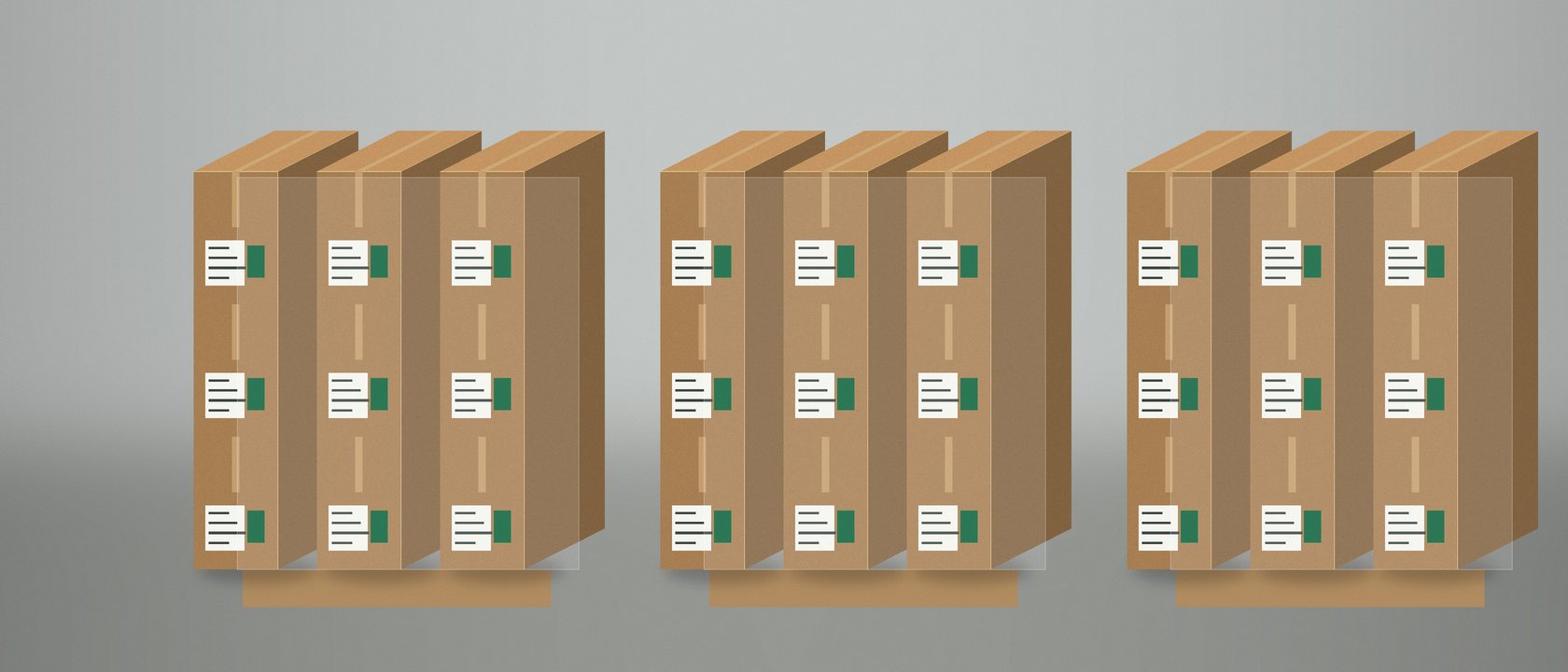
Labelled cartons of compressed coco peat blocks strapped on export pallets
Author: Cocoqube Global Freight OperationsLocation: Bengaluru, India
For global importers and commercial distributors, freight cost per metric tonne often represents 25% to 40% of the landed cost of compressed coco peat. Choosing between floor-loading and palletized loading is a critical economic decision.
In a 40ft High Cube (HC) ocean container, floor-loading 5kg compressed blocks (hand-stacked directly inside the container) allows shippers to maximize payload up to the statutory gross weight limit—typically 24 to 26 metric tonnes (approximately 4,800 to 5,200 blocks).
By comparison, palletizing the blocks on treated wooden or plastic pallets reduces container capacity to approximately 20 to 22 metric tonnes due to pallet tare weight and dimensional height restrictions inside the container door frame.
However, floor loading requires intensive manual labor at the destination discharge warehouse, taking 4 to 6 hours to de-stuff, whereas a palletized container can be unloaded by forklift in under 30 minutes, saving substantial demurrage and labor costs in high-wage regions such as Western Europe, North America, and Australia.
Cocoqube coordinates both modes: providing moisture-barrier desiccants, container thermal kraft paper liners, corner-board protectors, and ISPM-15 heat-treated pallets certified for international phytosanitary compliance.
Technical Takeaway
When ordering commercial coir substrates, never accept an unverified label claim. Require batch test certificates specifying extraction ratios, actual EC, and exchangeable sodium percentages.
Have a technical question about your crop?
Our agronomy desk can review your fertigation formula and substrate specs.
The Chemistry of Washing & Buffering: How Calcium Nitrate Displaces Sodium in Coir
Raw coconut coir pith contains naturally high cation exchange capacity loaded with sodium and potassium. Discover the exact buffering mechanism that prevents calcium lockout in sensitive greenhouse crops.
How commercial blenders combine washed coco pith with crushed coconut husk chips and graded coir fibers to maintain 25%+ air-filled porosity across multiple growing seasons.
 COCOQUBE